Concern America's Marketplace of Fair Trade Crafts
  • Shop
    • Grad Gift Ideas
    • Accessories >
      • Bags/Purses
      • Jewelry
      • Scarves/Shawls
      • Wearables
    • New
    • Shop by Country >
      • Mexico >
        • Casa Hogar Comunitario (Yachil Antzetic)
        • Las Abejas De Acteal
        • Mujeres Sembrando La Vida
      • El Salvador
      • Bangladesh
      • Guatemala >
        • Flor Del Campo
        • Maria De Nazareth
        • Tjidos Guadalupe
        • Cucharas Ixchel De Petén
        • Cuchareros San Lucas Toliman
      • Mozambique
  • Concern America Home
  • About Fair Trade
  • Shipping Info
  • Meet the Artisans
  • Blog

Artisan Showcase: Back-strap Loom Weaving

9/22/2014

0 Comments

 
Picture
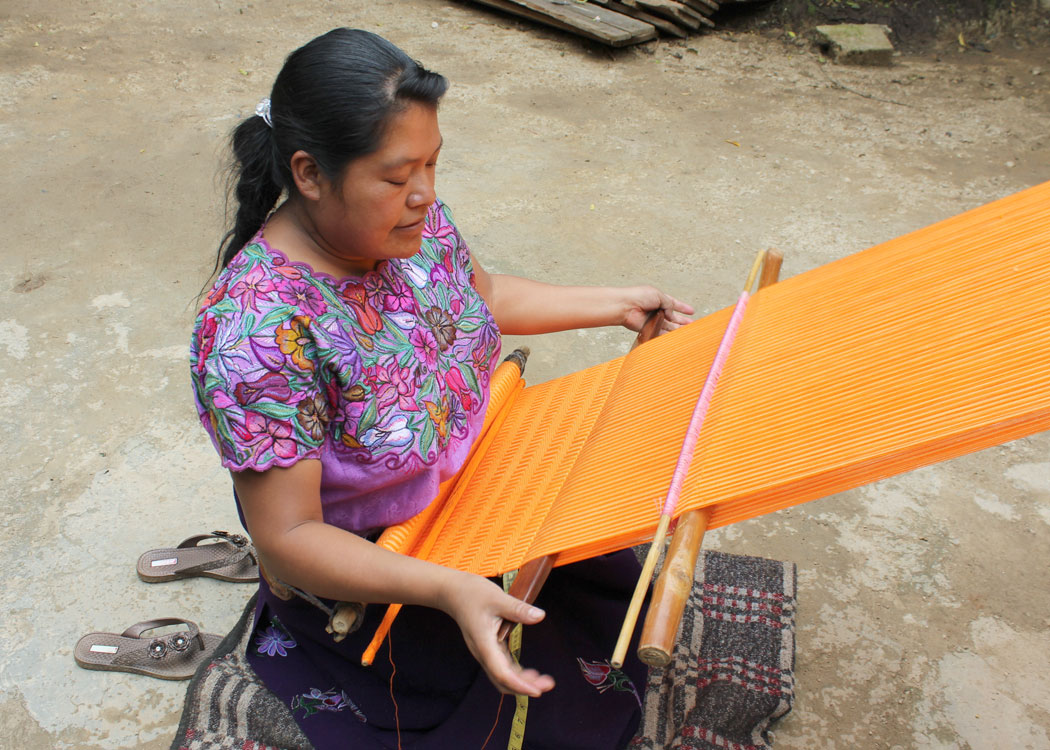
Backstrap weaving is an ancient art practiced for centuries in many parts of the world. Peru, Guatemala, China, Japan, Bolivia, and Mexico are a few of the places they use the backstrap loom. Today it is still used on a daily basis in many parts of Guatemala and Mexico by Mayan women to weave fabrics for clothing and other household cloths.

For the most part, the backstrap loom consists of sticks, rope, and a strap that is worn around the weaver's waist. This strap is how the backstrap loom received its name.  The loom is very lightweight, which allows the weaver to work indoors, or outdoors, weather and children permitting.

The primary feature of the backstrap loom is that the lengthwise threads (warp) are stretched from a fixed device such as a post or tree to a belt that a person wears around their waist. By backing away from the post or tree, the user can pull the warp threads into tension. In order to weave, the threads must be stretched in a horizontal direction and a means must be provided so that the threads can be separated into two (or more) parts so that a weft thread can be passed between the two sets of threads. The two sets of warp threads can then be reversed and a weft thread passed through again. By repeating this process, fabric can be woven.

Many weavers incorporate intricate embroidery patterns within their weavings. Young girls begin learning how to weave at about 7 years of age. By the time girls are ready to marry and have their own home they are extremely skilled weavers.

Concern America purchases many gorgeous Fair Trade weavings from co ops in Guatemala and Mexico. One of our most cherished times is when the packages arrive and we can actually smell the smoke from the weaver’s kitchen fires inside the boxes. We get the sense that their spirit is woven into each thread.
Picture

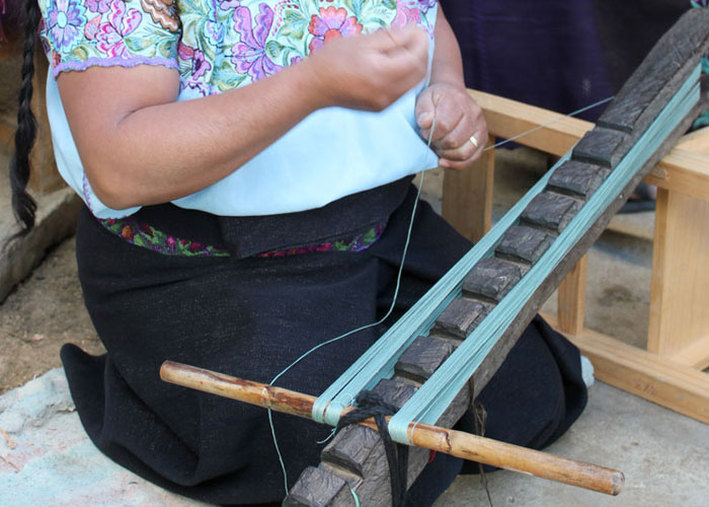
First, the warp threads must be created with this notched wooden tool that measures the length needed, as well as positions every other thread to be able to move as a set, up or down in harmony with each other.
Picture
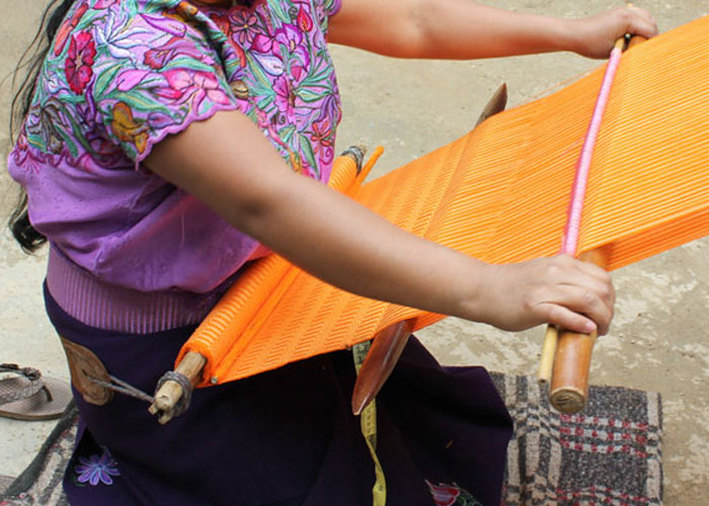
After the warp threads are secured to a post or tree, (some women even use their toes), the backstrap loom is attached to the weaver’s back as she kneels on the floor.

Picture
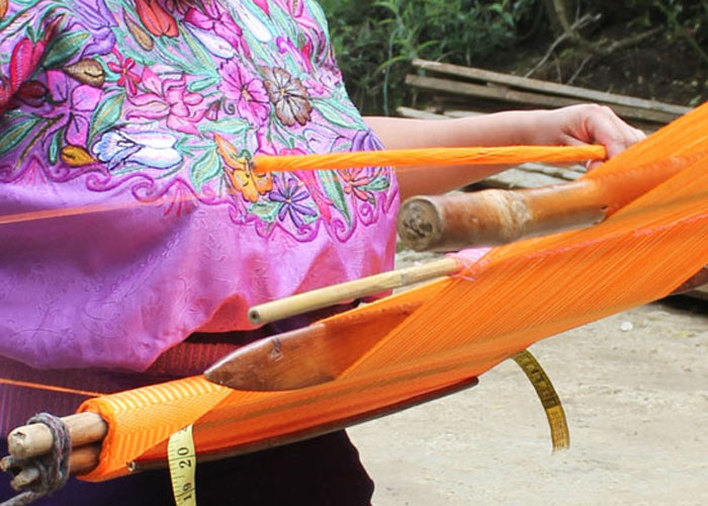
Back and forth the shuttle goes, carrying the weft thread with it. Every pass must be beaten in position with the beater. The process is slow and hard on the legs, yet very rhythmic and soothing.

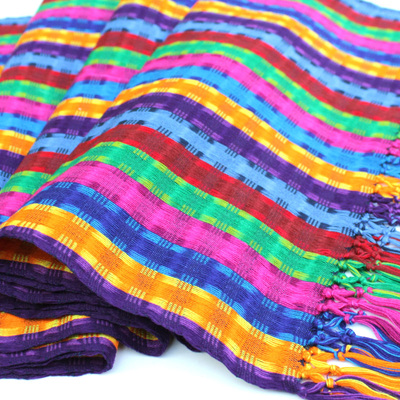
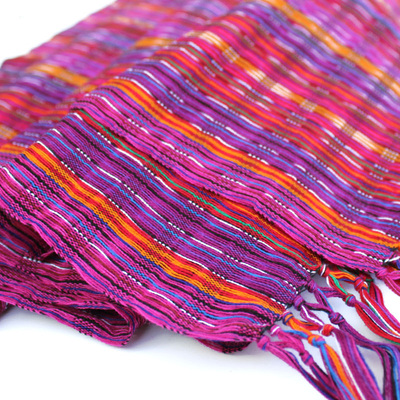
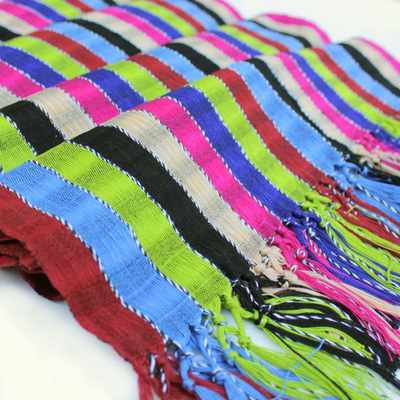
From just a few well-placed sticks, the humble backstrap loom is behind some of history's most beautiful and complex textiles. You can purchase these lovely fairly traded Guatemalan scarves in our Marketplace.

0 Comments

Your comment will be posted after it is approved.


Leave a Reply.

    Categories

    All
    Fair Trade Crafts
    Field Highlights
    Home Office News

    RSS Feed

Concern America    
Santa Ana, California    
1-800-CONCERN (266-2376)    
Monday - Friday: 8:00am - 4:00pm PST

Accessories
New Items
Kitchen Items
Bags
Jewelry
Wearables

    Sign up to our mailing list to keep up with the latest products, events and more!

Subscribe to Newsletter
  • Shop
    • Grad Gift Ideas
    • Accessories >
      • Bags/Purses
      • Jewelry
      • Scarves/Shawls
      • Wearables
    • New
    • Shop by Country >
      • Mexico >
        • Casa Hogar Comunitario (Yachil Antzetic)
        • Las Abejas De Acteal
        • Mujeres Sembrando La Vida
      • El Salvador
      • Bangladesh
      • Guatemala >
        • Flor Del Campo
        • Maria De Nazareth
        • Tjidos Guadalupe
        • Cucharas Ixchel De Petén
        • Cuchareros San Lucas Toliman
      • Mozambique
  • Concern America Home
  • About Fair Trade
  • Shipping Info
  • Meet the Artisans
  • Blog